
What Is Hydroseeding and How Does It Work?
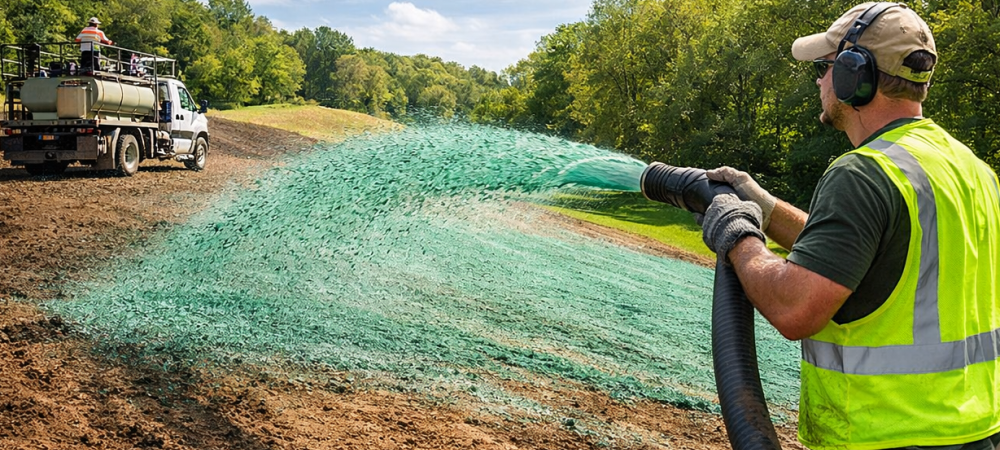
Hydroseeding is a method of establishing grass that combines seed, mulch, water, and nutrients into a sprayable mixture. This blog will cover what hydroseeding is, the step-by-step process, the benefits of using it, ideal scenarios for application, and tips for achieving strong, healthy lawn growth.
What Is Hydroseeding?
Hydroseeding is a planting process that combines grass seed, water, mulch, and nutrients into a slurry, which is then sprayed evenly over prepared soil. Unlike traditional methods like hand seeding or sod, hydroseeding allows for quicker, more uniform grass coverage. It’s commonly used for residential lawns, commercial properties, and large-scale landscaping projects where consistent growth and erosion control are priorities.
At its core, hydroseeding is about efficiency and protection. The mulch in the mixture helps retain moisture, shields seeds from birds and wind, and reduces soil erosion. This makes it particularly useful for slopes, uneven terrain, or areas that are prone to runoff.
How Does Hydroseeding Work?
Hydroseeding works in several key steps:
Soil Preparation
Before hydroseeding, the soil must be prepared. This can include grading, loosening compacted soil, removing debris, and adding amendments like fertilizer or topsoil to create an ideal growing environment. Proper preparation ensures that the seeds have direct contact with soil and nutrients for strong root growth.
Mixing the Slurry
The hydroseeding mixture, often called slurry, contains:
- Grass seeds suited to your climate and soil
- Water for easy application and initial hydration
- Mulch to protect seeds and retain moisture
- Fertilizers or tackifiers to promote germination and help the mixture adhere to the soil
This combination ensures the seeds are evenly distributed and have the best chance to germinate.
Application
Using specialized equipment, the slurry is sprayed over the prepared soil. Unlike hand-seeding, hydroseeding provides uniform coverage and minimizes bare spots. It’s especially useful on large areas or slopes where traditional methods would be difficult or time-consuming.
Post-Application Care
After hydroseeding, consistent watering is crucial to keep the seeds moist until they establish roots. Depending on weather and grass type, germination usually occurs within 7–21 days. Proper ongoing care—like mowing, fertilization, and weed control—ensures a healthy, dense lawn.
Benefits of Hydroseeding
While hydroseeding is primarily a planting technique, it comes with several advantages:
- Faster Coverage: The mulch helps retain moisture and protects seeds, promoting quicker germination.
- Uniform Growth: Unlike hand-seeding, the slurry ensures seeds are spread evenly for a consistent lawn.
- Erosion Control: Mulch protects against soil erosion, making it ideal for slopes and large open areas.
- Customizable Grass Types: You can choose grass varieties suited to your climate, soil, and sunlight conditions.
Hydroseeding is an efficient, effective way to achieve a lush, healthy lawn without the labor-intensive work of traditional seeding or the higher cost of sod.
Contacting a Professional Hydroseeding Company
Hydroseeding can be a highly effective way to establish a beautiful lawn with uniform coverage, faster germination, and reduced erosion risk. For those interested in professional services, Jeff’s Irrigation & Landscaping offers expert hydroseeding services for residential and commercial properties. With experience in creating healthy, uniform lawns, Jeff’s Irrigation & Landscaping provides guidance on grass selection, proper application, and post-seeding care to help ensure long-lasting results.
If you’re interested in learning more or getting started with hydroseeding, contact us today.