

Our Blog
Welcome to our blog, your go-to resource for tips, trends, and insights into creating and maintaining beautiful outdoor spaces. Here, we share expert advice on everything from garden design and irrigation best practices to seasonal care and landscaping ideas. Stay informed and inspired with our latest posts and transform your yard into a stunning oasis.

Picking the right materials is key to a durable and beautiful patio. Explore the benefits, drawbacks, and aesthetic options of concrete, pavers, stone, and wood to create an outdoor space that fits your style and needs.
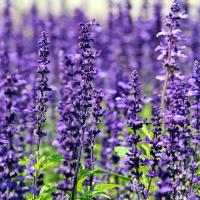
Tired of fighting for your plants to survive the scorching sun? This blog highlights the best sun and drought-tolerant plants that thrive in lots of sun with little water. Create a resilient, beautiful yard that stands up to hot summers.
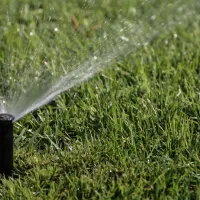
A healthy lawn needs more than occasional hose watering. Explore the struggles landscapes face without irrigation and the many benefits of a sprinkler system that keeps your yard green and healthy while giving you more free time.
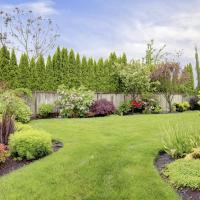
Think your small yard can’t make a big statement? Think again. With the right small yard landscaping ideas and smart irrigation solutions, you can create a vibrant, functional outdoor space that’s low-maintenance and water-efficient. Whether you're trying to save space, reduce water use, or boost appeal, these strategies offer big results.
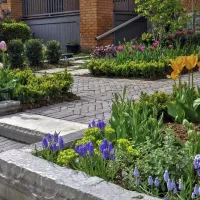
Want to boost your curb appeal in 2025? Discover the top hardscape design ideas that combine beauty and function—like paver patios, fire pits, and outdoor kitchens. Learn what adds the most value and how to get started on your dream yard.
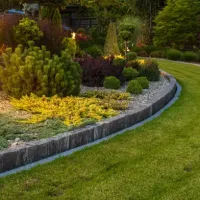
Summer is the perfect time to refresh your outdoor space, and 2025 is bringing some exciting landscaping trends to the forefront.
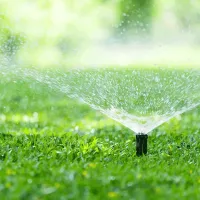
When summer hits the Tri-Cities, watering becomes essential—but not every irrigation system is created equal. Choosing the right setup helps you save time, money, and water while giving your lawn the care it needs.

Whether you're trying to reduce your outdoor workload or save on your water bill, choosing low-maintenance, drought-tolerant plants is the way to go. Here’s a helpful guide to the best low-maintenance landscaping plants that thrive right here in the Columbia Basin.

Your lawn relies heavily on you for hydration—and finding the right watering schedule is key to keeping your grass healthy without overdoing it. Here’s a local guide to help you know how often (and how much) to water your lawn in Kennewick’s unique climate.